MOTION
CONTENT
- Definition of Motion
- Types of Motion
- Causes and Effects of Motion
Definition of Motion
Motion by definition is a change in the position of a body with time with respect to a reference point. Motion exists in various forms and occurs in all the three states of matter (solids, liquids and gases). These various forms are; random, translational, rotational and oscillatory motion.
Some examples of motion are;
- The movement of the earth round the sun
- The rotation of the earth about its axis
- An aeroplane flying in the sky
- A boy walking or running
Types of Motion
A. Random motion
Random motion is the movement of a body in a zigzag or disorderly manner with no specific direction as shown in the diagram below. Some examples of this kind of motion are; the motion of dust particles in the air, the motion of smoke particles, the motion of butterfly, etc.
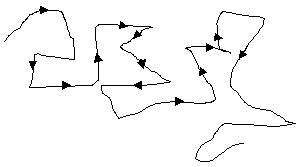
Random Motion
B.
You are viewing an excerpt of this lesson. Subscribing to the subject will give you access to the following:
- NEW: Download the entire term's content in MS Word document format (1-year plan only)
- The complete lesson note and evaluation questions for this topic
- The complete lessons for the subject and class (First Term, Second Term & Third Term)
- Media-rich, interactive and gamified content
- End-of-lesson objective questions with detailed explanations to force mastery of content
- Simulated termly preparatory examination questions
- Discussion boards on all lessons and subjects
- Guaranteed learning
 ClassHall Instructor
 FUNMILOLA ATERE
 BENITA DAVID
 Maryam
 David Oyedepo
 Abdulrahman Oladokun
 Halima Ahmadu